


The Critical Role of Length Distribution

When specifying or installing a wood sports floor, many focus first on grade, subfloor system, finish, and performance metrics like shock absorption or ball rebound. But there’s another foundational factor — length distribution — that plays a major role in both the aesthetics and durability of the finished floor.
MFMA doesn't just track length distribution; we enforce it as a strict quality standard. Every quarter, we inspect our member mills to ensure they adhere to rigorous limits on "short" material in every bundle. This discipline is why an MFMA floor looks better, performs reliably, and lasts longer.
What Is Length Distribution?
Length distribution simply means the mix of different board lengths found in a bundle of flooring. While MFMA's random length (RL) strip flooring allows for a variety of sizes—including some shorter boards—our standards maintain a strict minimum: no piece can be shorter than 9 inches.
MFMA standards mandate maximum percentages for the total length of shorter boards—such as 42", 30", or 18"—that are permitted in a given bundle, based on the flooring grade.
Regardless of the grade, no board shorter than 9" is ever allowed. Why is this important?
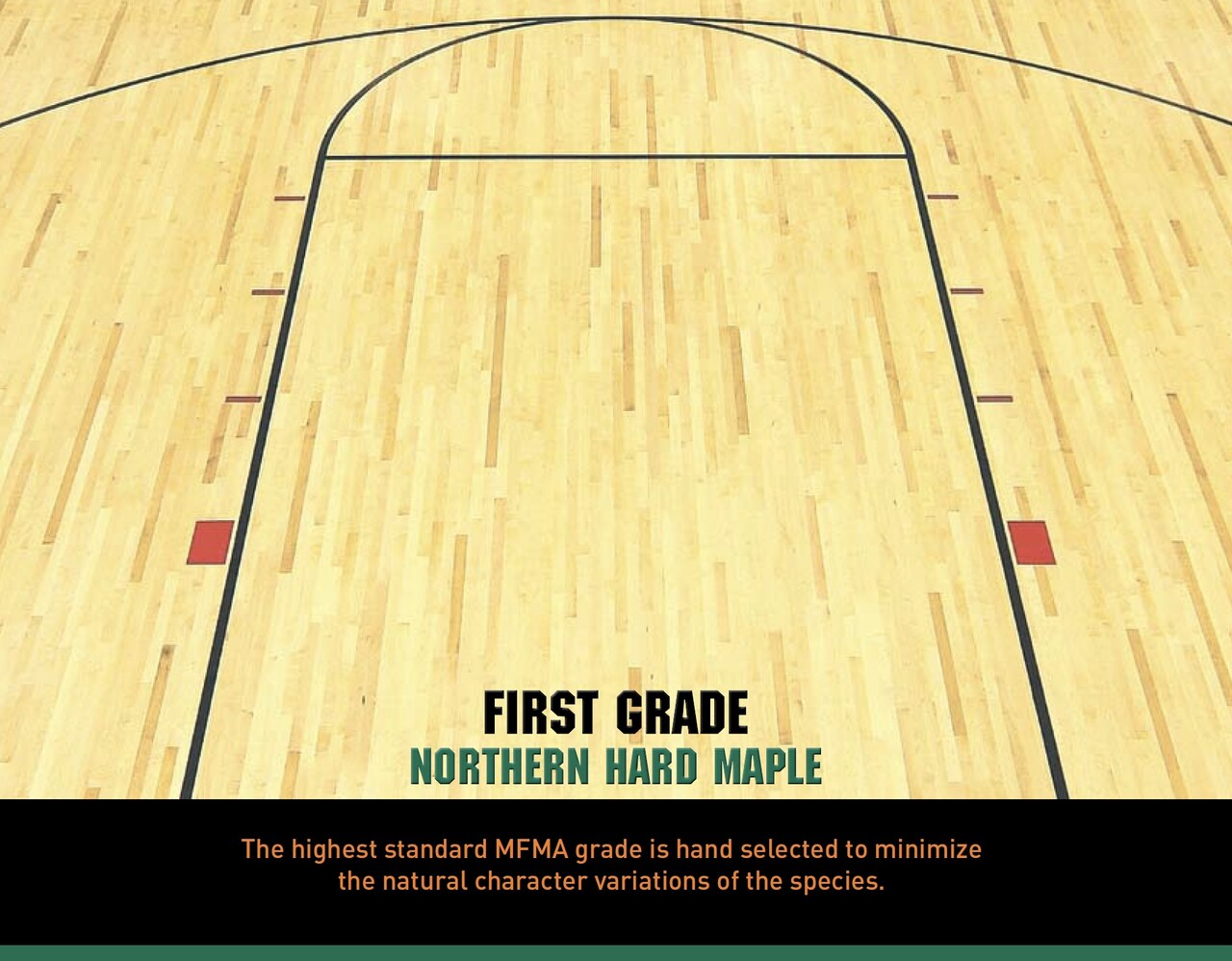
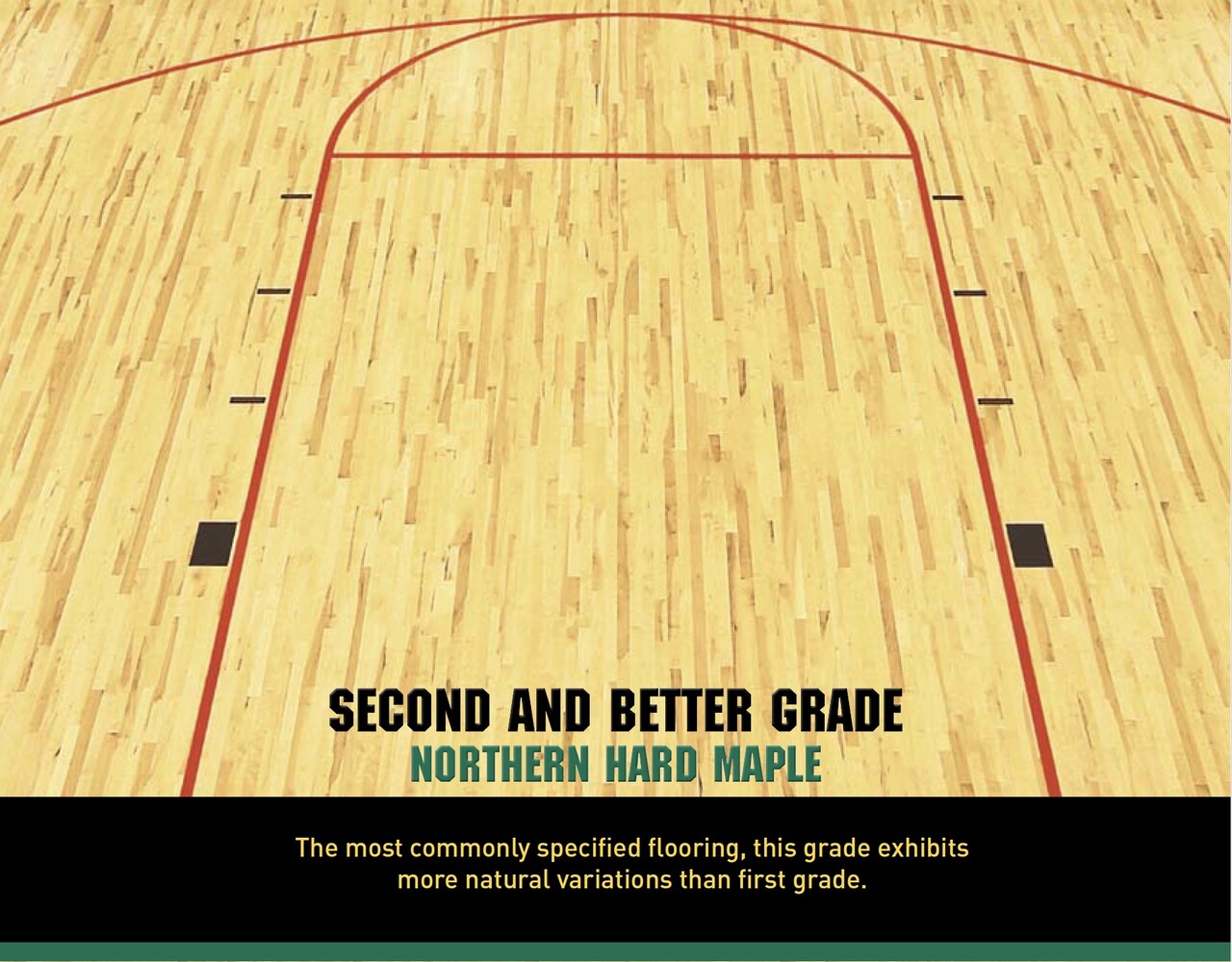
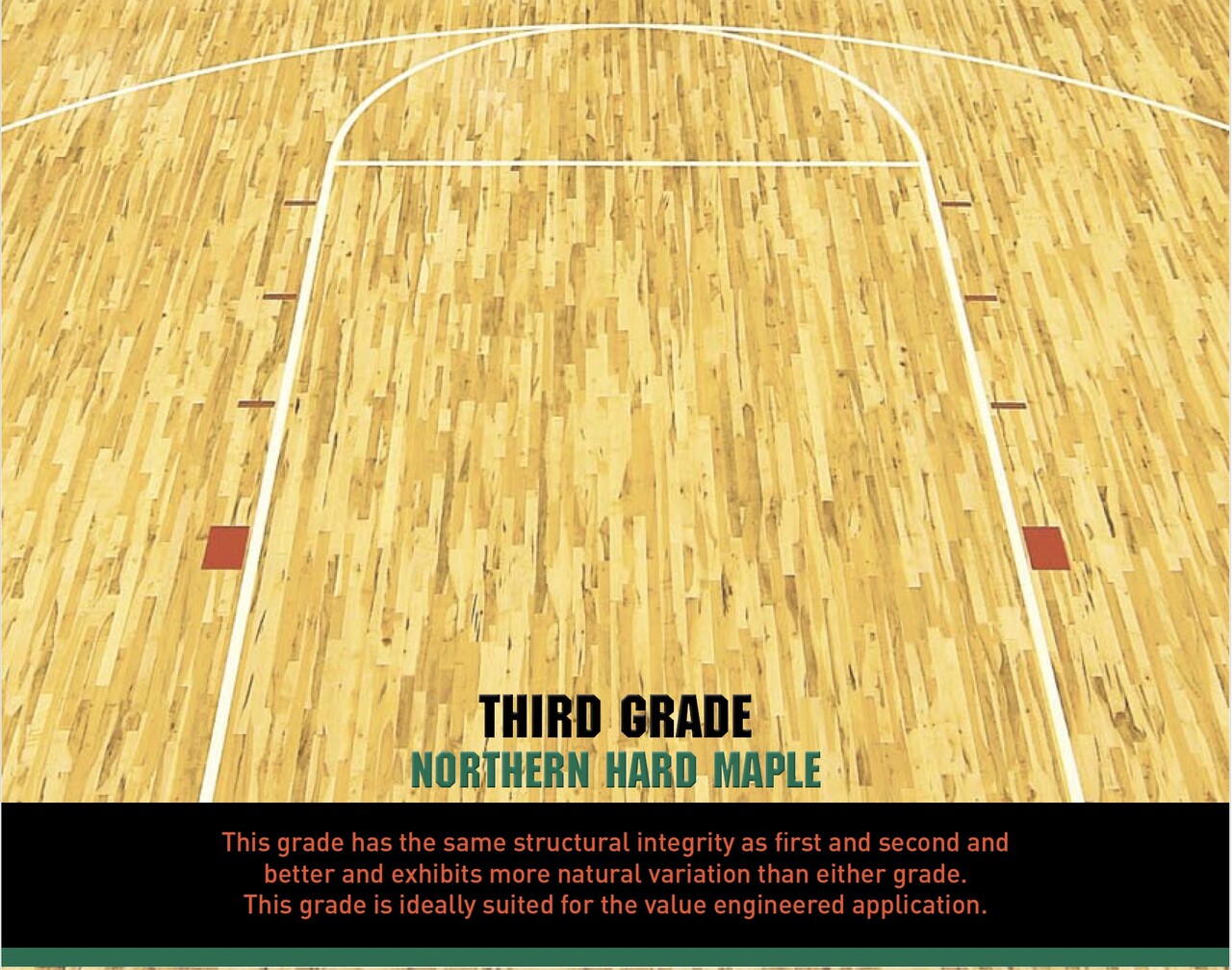
- Visual consistency & aesthetics: Too many short boards create a “stippled" or disjointed look, with more frequent end joints visible across the field of play.
- Joint clustering and weak spots: A high concentration of short boards can lead to clusters of end joints. In installations over sleeper subfloor systems — or especially where there’s no continuous subfloor — that can lead to weak transition zones, differential movement, or stress concentrations.
- Install efficiency: Short boards (“shorts") take more labor to fit, align, and manage during install, slowing down progress.
- Floor longevity: Fewer joints (i.e. longer boards) minimize the cumulative shrink/swell stresses at end joints over the life of the floor, reducing potential for separation or edge checking.
- Industry Standards: This length serves as a quantifiable quality control measure that all MFMA member manufacturers must adhere to, providing a consistent standard for specifiers, architects, and end-users.
Because of these risks, MFMA members are required to ship flooring bundles that adhere to the MFMA Grading Rules— limiting the possibility of clusters or weak areas.
How MFMA's Quarterly Inspections Safeguard Quality
Commitment to standard is one thing; enforcement is another. MFMA operates a system of quarterly, third-party inspections to verify compliance across our member mills. These inspections are unannounced and verify grading, length distribution, moisture content, and milling tolerances.
These inspections ensure that:
- Specifiers, architects, and facility owners can rely on MFMA-graded maple to meet published standards without guesswork
- Installers work with consistent material, reducing on-site surprises
- End users (athletes, facility operators) enjoy the benefits of a stable, durable, beautiful floor for years to come
The Big Picture: Quality Is in the Details
By rigorously controlling and inspecting for length distribution, MFMA helps protect the integrity, longevity, and visual excellence of maple sports floors. If you’re specifying, installing, or caring for a maple gym floor, don’t let “shorts” slip through — insisting on MFMA flooring can make a very real difference.
Related Content: